

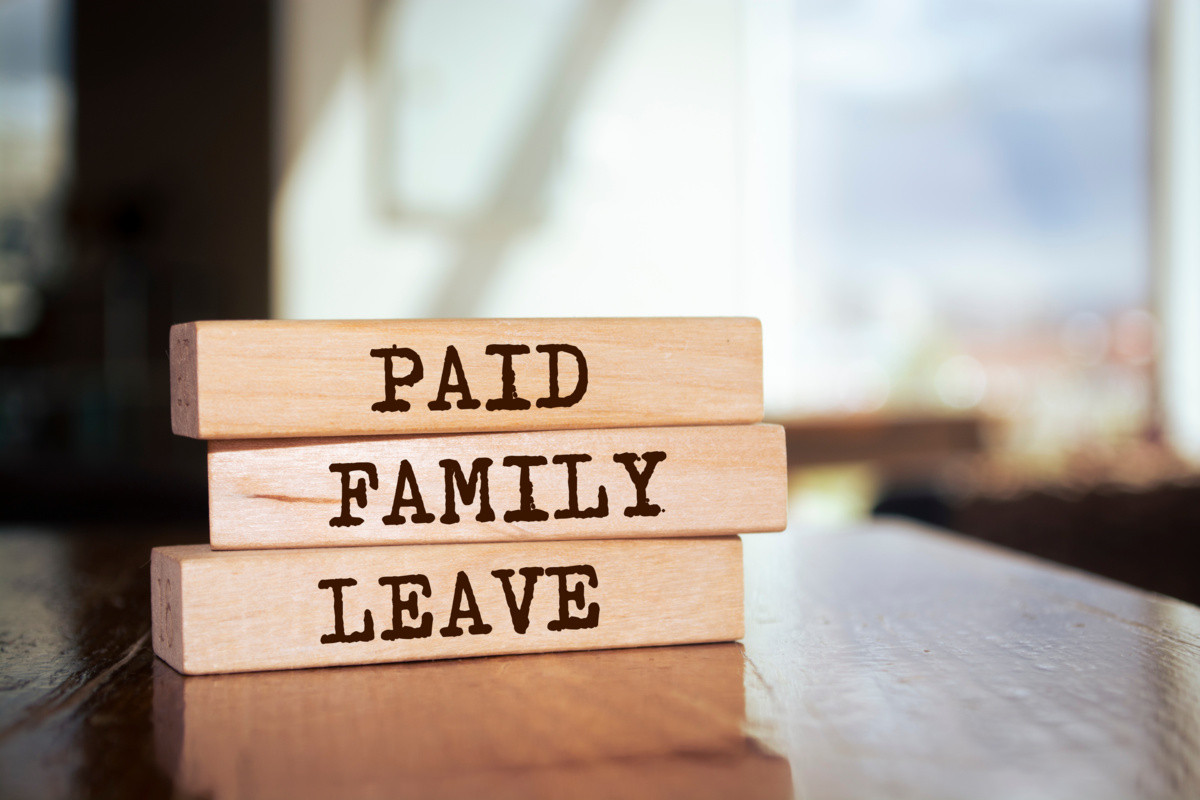
When Minnesota’s Paid Family and Medical Leave (PFML) program launched on January 1, 2026, many employers updated their handbooks, trained managers, and prepared for a new way of handling employee leave.
Seven months later, one thing is clear: understanding the law was the easy part. Applying it in the real world has been more challenging. Working with employers and employees through the rollout, we’ve seen a few common themes emerge.
Employers no longer control the leave process.
One of the biggest adjustments is recognizing that the State, not the employer, determines whether an employee qualifies for PFML benefits. In instances where an employer has “opted out” of the State program for a private plan, the private plan determines whether an employee qualifies for PFML benefits.
Employers still have important responsibilities, including maintaining benefits, coordinating leave, and complying with reinstatement requirements, but they are no longer deciding who is entitled to leave.
Administration is taking more time than many expected.
Even employers that prepared well have found PFML to be administratively demanding. Payroll systems, employee communications, manager training, and coordination with the Minnesota Department of Employment and Economic Development (DEED) all require ongoing attention. Early delays in benefit determinations have also created understandable frustration for employees and employers alike.
One of the biggest challenges involves coordination.
We often hear questions not just about PFML itself, but about how it interacts with everything else. How does PFML work with FMLA? Employer-provided leave? PTO? Other employer-provided benefits?
Those answers are often fact-specific.
Job restoration deserves careful attention.
One misconception we’ve already encountered is that an employer can permanently replace an employee while they are on PFML leave.
Generally, that’s not the case.
Eligible employees are entitled to reinstatement when their leave ends. Employees returning with an ongoing medical condition may also need a workplace accommodation, and a refusal in that situation can raise disability discrimination questions. As courts begin interpreting the new law, we expect reinstatement issues to become one of the primary areas of litigation.
Looking Ahead: What Employees Should Watch as PFML Guidance Develops
Minnesota’s PFML program is still in its first year, and guidance will continue to evolve. As everyone gains experience, many of today’s unanswered questions will become clearer.
From our perspective, representing employees, many PFML disputes are likely to arise not from deliberate misconduct but from employers failing to adapt quickly enough to a new, complex legal framework.
Outdated leave policies, inconsistent administration, inadequate manager training, and misunderstandings about employee rights can all lead to violations that have significant consequences for workers seeking leave during critical life events, including conduct that overlaps with workplace discrimination.
Like most new employment laws, Minnesota’s PFML program will continue to develop through additional guidance from the State and, eventually, court decisions. Until then, employees should understand that they have meaningful rights under the law, including protection from retaliation and, in many cases, the right to return to their jobs after leave. If something doesn’t seem right, Contact MSB Employment Justice. Understanding your rights early can often prevent a much larger problem later.