Speaking up about possible illegal conduct at work can feel risky. Employees may worry about losing assignments, damaging a relationship with a supervisor, or even losing their job. They may also wonder whether they need to use legal language or follow a formal process to be protected.
Imagine an employee tells a manager,
“We billed the customer for services we never provided, and I was instructed to leave those charges on the invoice. I do not think it is right to charge for services we did not provide.”
In this scenario, the employee does not cite a specific statute or use the word “illegal.”
Does that matter? Generally speaking, no.
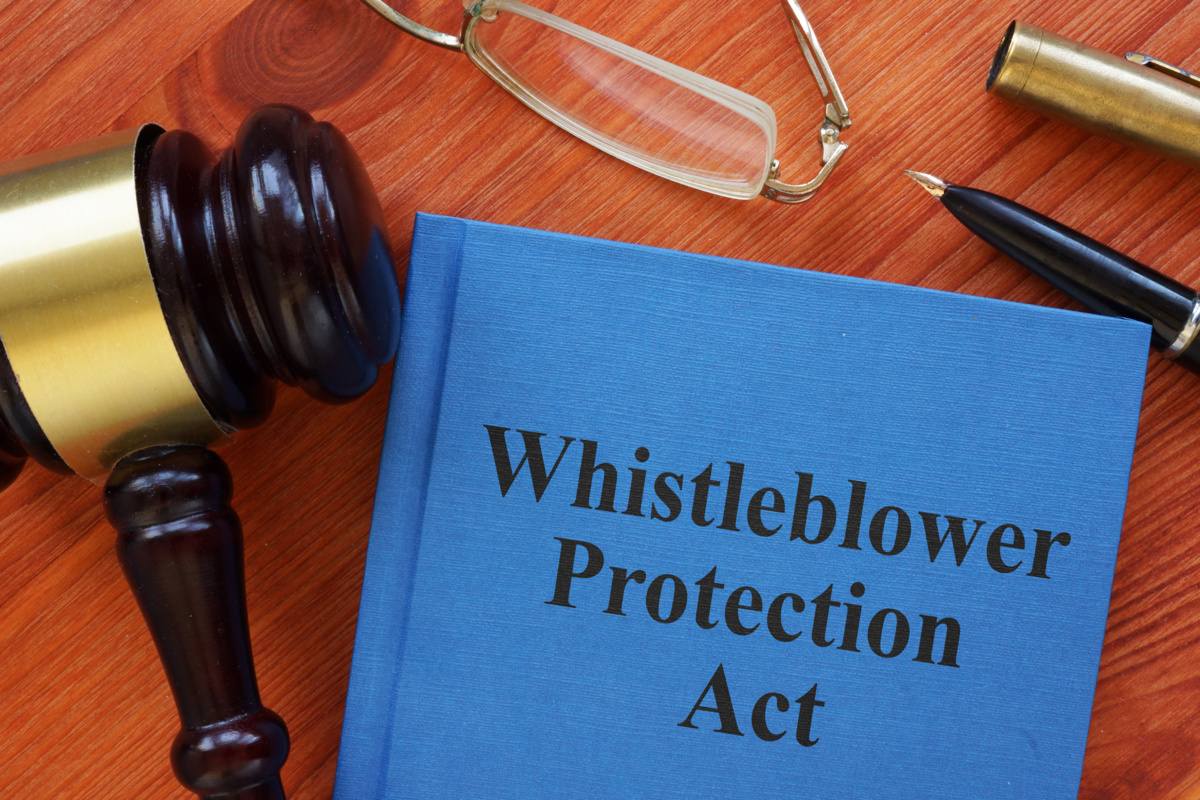
The Minnesota Whistleblower Act (MWA) protects employees who report that their employer has broken, may be breaking, or plans to break the law. It applies to both public and private employers. In general, an employer may not punish an employee for making a protected report, whether by firing or demoting the employee, inventing performance problems, or assigning worse duties.
The basic rule is simple
What matters most is whether the employee clearly describes conduct that, if true, would violate an existing law. Although no particular words are required, employees should be as clear and specific as possible.
The details can still be complicated. This blog explains what may count as a protected report, what may not, and what employees can do to clearly document a concern.
What Counts as a Protected Report?
Minnesota law generally defines a report as a communication about an actual, suspected, or planned violation of law. The report does not have to be formal. However, an employee generally needs to clearly tell the employer about the conduct they believe to be unlawful.
A protected report is one form of “protected activity.” Depending on the circumstances, protected activity may also include refusing to participate in unlawful conduct, cooperating with certain investigations, or contacting a government agency. An internal report to a supervisor, HR, or another person with authority may be enough. Our overview of the protected activity the MWA covers, from reporting to refusing to cooperate with law enforcement, walks through each category.
“Unfair” and “Illegal” Are Not the Same
Not every workplace complaint is considered whistleblowing. Compare these two statements from nursing-home employees:
One employee says: “Management only cares about money. The way we’re treating residents is unethical.”
Another employee says: “We’re documenting that residents received required overnight checks when no employee actually performed those checks.”
The second statement is more likely to qualify as protected activity because it describes specific conduct that could violate a legal requirement. Calling conduct merely “unethical” or “unfair” may not be enough. The line matters most in clinical settings, which we address in whistleblower protections for Minnesota healthcare workers.
You Can Be Mistaken and Still Be Protected
An employee may still be protected when the reported facts later turn out to be wrong. Suppose a construction project manager reviews safety records and believes required inspections never happened. He tells management:
“These inspection logs show that the required inspections were signed off on before anyone actually inspected the site.”
The company investigates and learns that the inspections did happen. A recordkeeping problem simply made the timestamps look wrong. Does the employee lose protection because he was mistaken?
Not necessarily. An employee may make a good-faith report based on facts that later turn out to be wrong, as long as the reported facts, if true, would violate an existing law. We cover the same point from the employee’s side in whether a mistaken report still makes you a whistleblower.
But there is an important difference between being mistaken about the facts and relying on a law that does not exist. The employee need not prove that a violation actually occurred. Still, the legal requirement the employee believes was violated must be real. That distinction is one reason these cases can become complicated.
Refusing to Break the Law May Be Protected Activity
Whistleblower protection is not limited to employees who report misconduct. The MWA may also protect an employee who refuses to participate in unlawful conduct. Suppose a manager directs an employee to report to a state agency that required safety tests were completed, even though they were not. The employee responds:
“No. Those tests were never performed. I will not report that they were.”
In this example, the employee does not cite a law or contact HR. Still, the refusal may be protected activity if the requested conduct would violate an existing law. If so, the employer may not retaliate against the employee for refusing. What that retaliation can look like in practice is set out on our employer retaliation page.
How to Make a Clear Report
If you are concerned about potentially illegal activity at work, consider the following suggestions to help you communicate clearly and document important information:
- Describe what happened using your own words. You do not need to use the word “illegal,” cite a specific law, or call yourself a whistleblower. But you should clearly describe what happened and explain why you believe it may be unlawful.
- Report the concern to someone with authority. Report the concern to someone with authority. This may include a supervisor, HR, compliance officer, law enforcement, or a government agency. When possible, make the report in writing.
- State what you know and what you do not. Separate facts from assumptions. Clearly explain what you observed, what others told you, and what you believe happened.
- Keep records. Note what you reported, when you reported it, who received it, and how the company responded.
- Document changes in treatment. A firing is not the only possible retaliation. A sudden bad review, exclusion from meetings, worse assignments, or a demotion may matter, especially when it follows closely after a protected report.
- Consider legal advice early. Our whistleblower attorneys can review the wording of a concern before it is raised, not only after something goes wrong.
Whether a report is protected often depends on exactly what was communicated, who received it, and what happened afterward. If you experienced retaliation after reporting possible illegal conduct or refusing to participate in it, contact MSB Employment Justice today to discuss your options.
This article provides general information and is not legal advice. Reading it does not create an attorney-client relationship.